
OLEL helps leaders build the capacity to navigate complexity, lead with greater impact, and thrive across their lives.
Ways to work together
Leadership Intensive
Three months focused on a specific challenge, transition, or opportunity.
Includes a full assessment package (Hogan Assessments and EQ-i 2.0, with a verbal or online 360), a personalized leadership development plan, weekly or biweekly coaching sessions, and support between sessions.
Best if you are: stepping into a new or expanded role · navigating a career transition · facing a specific, time-bound challenge
Executive Coaching
Six months of sustained development toward meaningful, measurable goals.
Includes a full assessment package (Hogan Assessments and EQ-i 2.0, with a verbal or online 360) and weekly or biweekly sessions with support between sessions.
Best if you are: ready for sustained work, not just a focused sprint · seeing patterns you want to shift at the root · leading through complexity or change
Executive Advisory
A longer-term partnership for leaders navigating significant complexity, responsibility, and impact.
Includes everything in Executive Coaching, plus direct advisory input on your highest-stakes decisions.
Best if you are: carrying a board, senior team, or stakeholders with competing needs · at a genuine inflection point — succession, crisis, reinvention · navigating decisions where the right answer isn't obvious
Start with what matters now.
You may be stepping into greater responsibility.
Facing a difficult decision or transition.
Succeeding professionally but questioning the cost.
Trying to lead your team or organization differently.
Or asking a bigger question: What do I want all of this to add up to?
Coaching gives you the space and challenge to step outside habitual patterns, widen the view, and act intentionally on what matters.
Executive Coaching & Leadership Advisory
The way you lead is something you practice.
Leadership isn't confined to the moments that look important.
It's practiced in how you respond under pressure. What you pay attention to. How you listen. The assumptions you question. The conversations you avoid or choose to have. Where you put your time and energy. What you do when the right path isn't the easiest one.
Over time, these ordinary moments become patterns. Those patterns shape how you lead, how you relate to others, and ultimately, the life you create.
What you practice becomes how you lead and live.
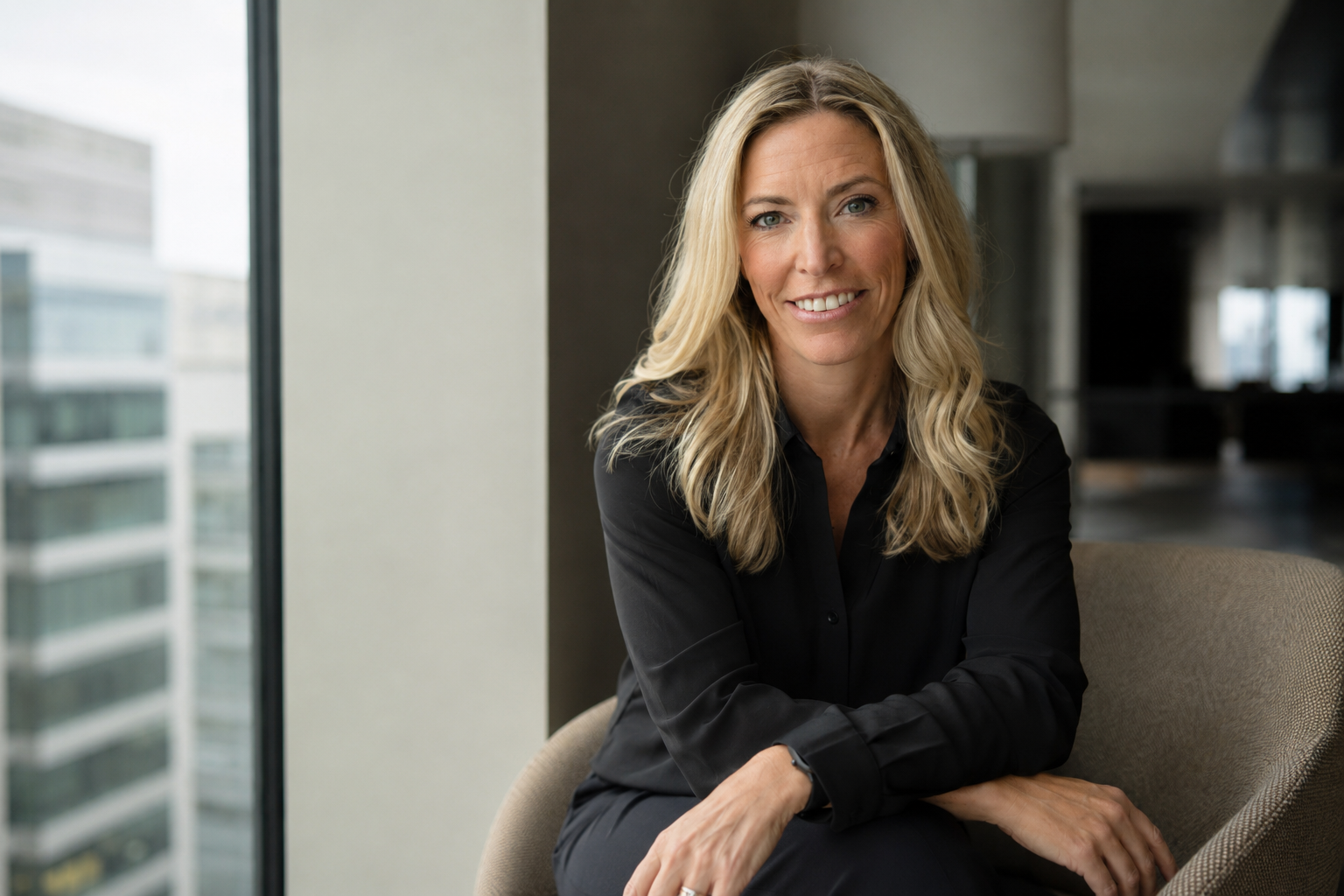
Your coach
Leslie Hubbard
Founder & CEO, OLEL Leadership
Leslie Hubbard has spent more than two decades developing leaders — as an executive coach certified in Hogan Assessments and EQ-i 2.0, an MDiv graduate of Harvard University, and an MBA from Bard's Graduate Programs in Sustainability. Her work spans business, government, higher education, healthcare, and international institutions, and extends to artists, filmmakers, and writers.
Her approach is also shaped by eight years of monastic training in the tradition of Thich Nhat Hanh, where she studied attention, mind, and transformation as matters of daily practice — a depth of grounding that few executive coaches bring to their work.
That combination followed her into faculty roles at the University of Virginia, teaching in executive education at Harvard Business School, and coaching rooms and boardrooms around the world — working alongside leaders navigating some of the defining challenges of our time.
OLEL grew from a question that has never left her: how do leaders practice their way into a different, more sustainable way of leading — one that strengthens rather than depletes what surrounds them?
Years of experience
Contemplative sciences and interdisciplinary leadership development — in businesses, universities, and organizations around the world.
Leaders served
Across every sector and six continents — executives, founders, artists, educators, physicians, government officials, and more.
MDiv
Harvard University
MBA
Bard Graduate Programs in Sustainability
Certified Executive Coach
Center for Executive Coaching
EQ-i 2.0 Certified
Multi-Health Systems
Hogan Certified
Hogan Assessments
Institutions & organizations
Frequently asked questions
Common questions.
What is the difference between Executive Coaching and Executive Advisory?
+Executive Coaching focuses on the developmental work — creating space for reflection, building self-awareness, identifying patterns, and developing the capacities that leadership requires. Executive Advisory includes all of that, and also draws on direct perspective, relevant experience, and strategic thought partnership when the moment calls for it.
The advisory relationship moves between coaching and advisory depending on what the leader and the situation require. There are moments when the most valuable thing is the question that helps a leader hear what they already know. There are other moments when direct perspective or a clear point of view is what the moment calls for.
What role does contemplative practice play in the coaching?
+Contemplative practice is any disciplined method for developing attention, self-awareness, and the capacity to see more clearly. In OLEL coaching it shows up as reflective inquiry, metacognition, intentional pauses before consequential moments, and structured practices that develop the capacity to observe patterns without being governed by them.
No prior experience is assumed. The practices are secular and grounded in the realities of leadership.
Is coaching confidential?
+Yes. Confidentiality is foundational to the coaching relationship. If an organization sponsors the engagement, clear expectations are established at the outset about what is and is not shared with the sponsor.
Can my organization sponsor my coaching?
+Yes. OLEL works with both self-sponsored leaders and organizations investing in the development of their people. A one-page business case is available to support sponsorship conversations with your organization.
What assessments are used and are they required?
+The most common instruments are EQ-i 2.0, Hogan Assessments, and a verbal or online 360. Which assessments are included is determined through the discovery process based on each leader's goals and context. No single assessment is required — each is used when it will genuinely deepen the work.
Is coaching conducted virtually or in person?
+Most coaching is conducted virtually, allowing the work to fit the demands of a leader's schedule. In-person sessions can be arranged depending on location and the nature of the engagement.
What is the investment in coaching?
+Fees vary depending on the engagement. The Leadership Intensive, Executive Coaching, and Executive Advisory are each priced differently based on scope and duration. Many leaders work with organizations that sponsor their coaching investment — a one-page business case is available to support that conversation. The introductory call is the right place to discuss investment and determine which engagement makes the most sense.
How do I know which engagement is right for me?
+You don't need to decide before we speak. The introductory conversation is an opportunity to understand what you are navigating and determine whether OLEL is the right fit — and if so, which engagement makes the most sense.
The next moment is already coming.
A decision. A conversation. A challenge you didn't anticipate.
You can't control every moment leadership will ask you to meet.
You can develop how you meet it.
Every moment is practice.